

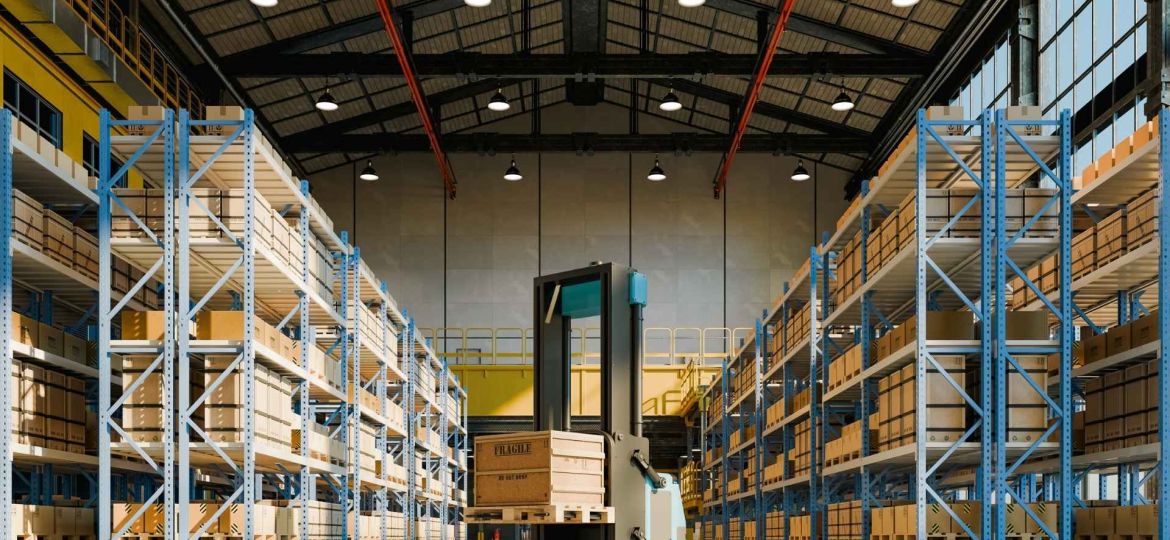
Cross Docking vs Warehousing: Which Option Saves More Time?
Most Cross docking and warehousing both help businesses manage freight, but they are not built for the same purpose. One is focused on faster movement. The other is focused on storage, inventory control, and planned distribution.
When freight needs to move quickly, one question becomes very important:
Should the shipment move through cross docking, or should it be placed into a warehouse first?
The answer depends on what the freight needs next.
If the shipment is ready to move and does not need long-term storage, cross docking can usually save more time. If the freight needs to be stored, counted, picked, packed, or released later, warehousing may be the better option.
For businesses looking for a reliable cross docking company in Canada, understanding this difference can help reduce delays, avoid unnecessary handling, and improve delivery planning.
Quick Answer
Cross docking usually saves more time when freight is ready to move and does not need to sit in storage. Warehousing is better when goods need to be held, organized, picked, packed, or managed as inventory before delivery.
What Is Cross Docking?
Cross docking is a freight process where goods arrive at a facility and are quickly moved to another outbound truck.
The goal is not long-term storage.
The goal is fast transfer.
Freight may arrive from a supplier, container, inbound carrier, or truckload shipment. It is then sorted, consolidated, transferred, or prepared for the next delivery move.
This makes cross docking useful when freight needs to keep moving instead of sitting in a warehouse for days or weeks.
What Is Warehousing?
Warehousing is used when goods need to be stored before they are shipped out.
A warehouse gives businesses space to hold inventory, manage stock, organize orders, and prepare products for future delivery.
This is useful when freight is not ready for immediate movement.
It can also support retail inventory, seasonal stock, e-commerce orders, bulk goods, and products that need to be released in stages.
The difference is time.
Warehousing usually adds more steps because freight may need to be unloaded, stored, tracked, picked, packed, and loaded again later.
Cross Docking vs Warehousing: The Main Difference
The main difference is purpose.
Cross docking is designed for movement.
Warehousing is designed for storage.
Cross Docking
- Built for fast freight movement
- Reduces storage time
- Supports quick transfer between trucks
- Useful for urgent or time-sensitive freight
- Helps with consolidation and distribution
Warehousing
- Built for storage and inventory control
- Supports picking and packing
- Useful for goods waiting for future orders
- Helps with stock management
- Works well for planned release schedules
Which Option Saves More Time?
Cross docking usually saves more time when the shipment is already packed, labeled, and ready for the next move.
The freight does not need to sit in storage.
It can be received, sorted, transferred, and moved toward delivery faster.
This is especially useful when inbound freight needs to connect with another carrier, delivery route, or customer appointment.
For smaller shipments, cross docking can support LTL shipping by helping freight move through consolidation and transfer points without unnecessary storage delays.
Warehousing may still be the better option when products are not ready to move, when inventory must be stored, or when orders need to be prepared later.
When Cross Docking Makes More Sense
Cross docking makes more sense when speed and movement are the priority.
It works well when freight has a clear next destination and does not need to remain in storage.
Businesses may use cross docking when:
- Freight needs to move quickly from inbound to outbound transportation.
- Storage time needs to be reduced.
- Multiple shipments need to be consolidated.
- Retail or distribution freight needs faster movement.
- Container freight needs to be unloaded and moved inland.
- Delivery windows are tight.
- Warehouse space is limited.
- Products are already packed and ready to move.
For full truckload movement, cross docking can also help when freight needs to be transferred, staged, or reorganized before continuing through FTL shipping.
When Warehousing Makes More Sense
Warehousing makes more sense when time is not the only priority.
If goods need to be stored, counted, inspected, repacked, or held for future orders, warehousing may be the better option.
Businesses may choose warehousing when:
- Inventory needs to be stored for future sales.
- Products are not ready for immediate delivery.
- Orders need to be picked and packed.
- Seasonal stock needs to be held.
- Freight needs inspection or inventory control.
- Delivery timing is not urgent.
- Customers require scheduled release of goods.
In simple terms, warehousing is better when goods need to wait.
Cross docking is better when goods need to move.
How Cross Docking Helps Reduce Delays
Delays often happen when freight sits too long between transportation steps.
Cross docking helps reduce that waiting time.
Instead of sending freight into long-term storage, the shipment is moved through the facility with a clear outbound plan.
This can help reduce missed delivery windows, improve equipment use, and keep freight flowing between carriers.
The Cross docking can also support local and regional delivery when freight needs to move from a larger truck into a smaller vehicle, such as a straight truck, for customer delivery.
Cross Docking and Final Delivery Planning
Most Cross docking is not only about transferring freight.
It also helps make the final delivery plan more practical.
Freight may arrive in bulk and need to be separated by destination, route, customer, or delivery appointment.
From there, the right vehicle can be assigned for the next move.
Some shipments may continue by dry van trucking, while urgent freight may need expedited shipping support.
This flexibility is one of the reasons many businesses look for a cross docking company in Canada that can support both facility handling and transportation coordination.
Common Mistakes Businesses Should Avoid
Cross docking can save time, but only when it is planned properly.
Problems often happen when freight arrives without clear details.
Businesses should avoid:
- Sending freight without correct labels.
- Not sharing delivery appointments in advance.
- Failing to confirm pallet count and dimensions.
- Using cross docking when the freight actually needs storage.
- Not coordinating inbound and outbound timing.
- Missing customer delivery instructions.
- Choosing a provider without transportation support.
A good cross docking plan depends on timing, communication, and accurate shipment details.
How to Choose a Cross Docking Company in Canada
The right cross docking partner should do more than unload and reload freight.
They should understand scheduling, shipment flow, carrier coordination, delivery timing, and customer requirements.
When choosing a provider, look for:
- Cross docking and warehouse handling capability.
- Strong communication with inbound and outbound carriers.
- Support for LTL, FTL, straight truck, dry van, and expedited movement.
- Ability to manage urgent or time-sensitive freight.
- Clear appointment and delivery coordination.
- Experience with Canadian freight movement.
Conclusion
Cross docking and warehousing both have an important role in freight movement.
The faster option depends on what the shipment actually needs.
If the freight is ready to move and does not need long-term storage, cross docking usually saves more time.
If the freight needs to be held, counted, picked, packed, or released later, warehousing is often the better choice.
The key is choosing the right option before the freight arrives.
A reliable cross docking company in Canada can help businesses reduce handling delays, improve freight flow, and keep deliveries moving with better coordination.
Useful NFFI Freight Services
Explore related freight movement and delivery support:
Need a Cross Docking Company in Canada?
NFFI helps businesses with cross docking, freight transfer, warehouse coordination, LTL, FTL, straight truck delivery, dry van trucking, and time-sensitive freight movement.